

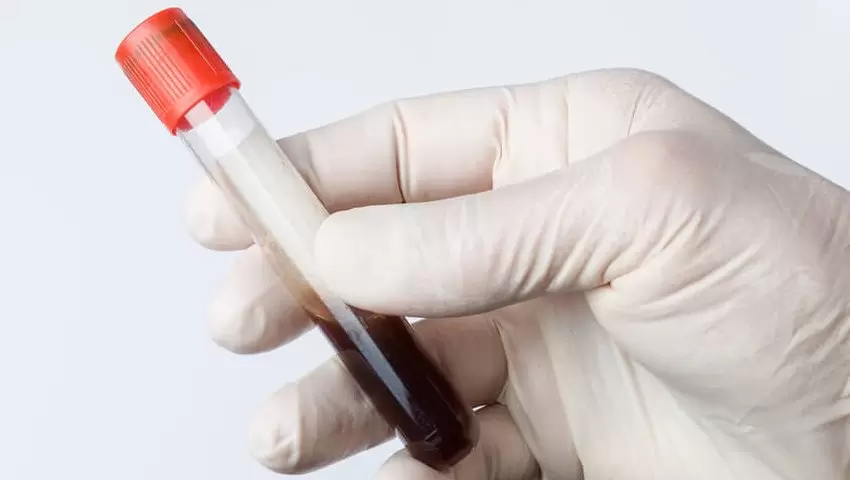
Seeing red or brown urine is frightening, and many people wait to see if it goes away. It often does, but the cause may still be there. Blood in the urine (haematuria) can come from something as simple as an infection, yet it is also the most common early sign of bladder and kidney cancer. This guide explains the causes, the tests a urologist doctor in Ahmedabad will recommend, and when you should see a kidney cancer doctor in Ahmedabad.
| Quick facts: Visible blood in the urine should always be checked by a urologist, even if it happened only once and caused no pain. Most causes are not cancer, but only tests can tell. The key tests are urine tests, an ultrasound or CT scan, and a cystoscopy. |
Is It Really Blood?
Urine may look pink, red or cola-coloured. Not every colour change is blood: beetroot, some food colourings and certain medicines such as rifampicin can turn urine red or orange, and dehydration makes it dark yellow. In women, menstrual blood can mix with a sample. Blood seen only under a microscope is called microscopic haematuria and is usually found on a routine test. A simple urine test confirms whether blood is present.
Common Causes of Blood in Urine
Urinary tract infection
Usually comes with burning and frequent urination. In women it is common; in men, an infection with blood always deserves further checks.
Kidney and ureteric stones
Stones often cause blood together with severe pain in the side or back. See our page on kidney stone treatment, or our guide to kidney stone operation cost.
Enlarged prostate
An enlarged prostate carries fragile surface veins that can bleed, particularly in men over 50.
Kidney disease, injury and medicines
Inflammation of the kidney filters may show blood and protein in the urine, often with high blood pressure, and is managed with a nephrologist. Blood can also follow an injury or very intense exercise. Blood thinners make bleeding more likely but rarely explain it on their own, so the cause still needs to be found.
Cancers of the bladder, kidney and prostate
Painless, visible blood is the classic warning sign of bladder cancer, and it can also be the first sign of kidney cancer.
Blood in Urine in Men and Women
In women, infection is the most common cause, and blood that clears completely after treatment is often all that was wrong. Blood that persists, appears without infection, or occurs after menopause needs full evaluation. In men, there is rarely an innocent explanation for visible blood, so it is always investigated, even if a urine infection is found.
Microscopic blood found on a routine test
If a health check-up shows blood cells in the urine but the urine looks normal, the test is usually repeated after treating any infection and avoiding heavy exercise. If blood is confirmed, your risk factors decide how far tests need to go. People over 40, and smokers, usually need imaging and a cystoscopy.
Who Is at Higher Risk?
- People over 40, and men more than women.
- Current or former smokers. Smoking is the single biggest risk factor for bladder cancer.
- People who have worked with industrial dyes, rubber, leather or chemicals.
- People who have had pelvic radiotherapy or certain chemotherapy drugs.
- People with a family history of kidney cancer.
Having one or more of these risk factors does not mean you have cancer. It does mean your urologist is more likely to recommend a cystoscopy and a CT scan, rather than an ultrasound alone.
Tests a Urologist Doctor in Ahmedabad Will Recommend
Urine tests
A routine urine test and a urine culture check for blood, infection and protein. Sometimes a urine cytology test looks for abnormal cells.
Imaging
An ultrasound of the kidneys and bladder is usually the first scan. A CT urogram, which uses contrast dye, gives the most detailed view of the kidneys and ureters. Your kidney function is checked before contrast is given. If you cannot have contrast, an MRI may be used instead.
Cystoscopy
A thin, flexible camera passed into the bladder under local anaesthetic gel. It takes a few minutes in the OPD and is the only reliable way to see the lining of the bladder. Our guide to common urology tests explains what to expect.
When Blood in Urine Means Kidney Cancer
Many kidney cancers today are found by chance on an ultrasound done for another reason, before they cause any symptoms. The textbook combination of blood in the urine, pain in the side and a lump is uncommon and usually appears late. If a scan shows a kidney mass, a kidney cancer doctor in Ahmedabad will arrange a contrast CT scan to assess its size and whether it has spread.
Kidney Cancer Treatment in Ahmedabad
- Small tumours (up to about 4 cm): partial nephrectomy removes only the tumour and saves the rest of the kidney, often by keyhole surgery.
- Larger tumours: radical nephrectomy removes the whole kidney, usually laparoscopically.
- Selected small tumours in older or less fit patients: careful monitoring or ablation may be an option.
- Advanced cancer: targeted therapy and immunotherapy, planned together with a medical oncologist.
A kidney cancer doctor in Ahmedabad will discuss each option with you, including how much kidney function can be preserved. Small kidney cancers found early are usually curable with surgery. Learn more about kidney cancer treatment in Ahmedabad and keyhole options with a laparoscopic urologist doctor in Ahmedabad.
Bladder cancer
If cystoscopy shows a growth in the bladder, it is removed through the urinary passage (TURBT) and sent for testing. Further treatment depends on how deep it has grown. Most bladder cancers found early have not grown into the muscle and are treated through the urinary passage, sometimes with medicine placed directly into the bladder afterwards. Regular check cystoscopies are needed, because bladder tumours can come back.
Finding the Best Urologist Doctor in Ahmedabad for Blood in Urine
When you search for the best urologist doctor in Ahmedabad for this problem, look for a complete evaluation in one place: urine tests, imaging, OPD cystoscopy and, if needed, kidney-sparing keyhole surgery. Our article on 10 warning signs lists other symptoms that should prompt a visit, and you can read more about Dr. Hardik Yadav.
Do not delay because the bleeding has stopped or because you feel well. Most patients can complete urine tests, an ultrasound and, if needed, a cystoscopy within a few days, which means a clear answer quickly, whatever the cause turns out to be.
Preparing for your appointment
Your consultation will be more useful if you note down:
- when you saw the blood, its colour, and whether there were clots;
- any pain, fever or burning with urination;
- all medicines, especially blood thinners such as aspirin, clopidogrel or warfarin;
- your smoking history and the kind of work you do or have done;
- any previous urine reports, ultrasound or CT scans.
| Go to the emergency department if: You pass clots and cannot pass urine. There is heavy bleeding with dizziness or weakness. You have fever with pain in the side, or blood after an accident or fall. |
Frequently Asked Questions
The blood appeared once and then stopped. Do I still need tests?
Yes. Bleeding from a bladder or kidney tumour often comes and goes, so one episode still needs a full check.
Can a urine infection cause blood in urine?
Yes. Your urine should be re-tested after treatment to make sure the blood has cleared.
Is cystoscopy painful?
Most people feel only mild discomfort for a few minutes. Local anaesthetic gel is used.
Should I stop my blood thinner if I see blood in my urine?
No, not without medical advice. Stopping some blood thinners suddenly can be dangerous. Contact your urologist and the doctor who prescribed the medicine.
Does blood in urine always mean cancer?
No. Most cases are due to infection, stones or prostate enlargement, but cancer must be ruled out.
Book a Consultation
To see a urologist in Gota promptly, visit the urologist in Gota clinic page for OPD timings and directions.